50 Bellefontaine Street, Suite 102, Pasadena, CA 91105


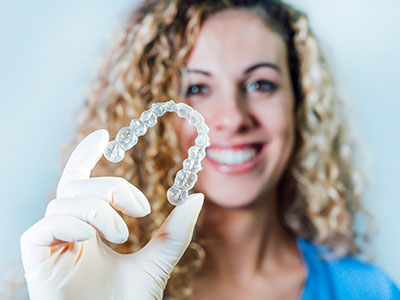
Invisalign® offers a contemporary, discreet option for straightening teeth without the look or feel of traditional braces. Using a sequence of clear, removable aligners created from advanced digital scans, this approach moves teeth in planned stages so patients can maintain everyday routines with minimal interruption. For many adults and teens, clear aligners provide a way to pursue orthodontic improvement with a focus on comfort, appearance, and predictable outcomes.
Clear aligner therapy has become a widely accepted alternative to metal brackets because it blends clinical effectiveness with everyday convenience. The aligners are nearly invisible when worn, allowing patients to continue professional and social activities without the appearance of orthodontic hardware. Because they are removable, aligners also make maintaining oral hygiene and dietary habits easier than fixed appliances.
Treatment with clear aligners is rooted in detailed planning and incremental movement. Each set of trays is designed to apply gentle, precise forces that shift teeth a small amount at a time. Over the course of multiple aligners, these small movements add up to meaningful correction of alignment and bite issues.
Clinicians choose clear aligner therapy for a range of alignment challenges, from mild crowding and spacing to certain bite irregularities. A thorough evaluation determines whether this method is appropriate for an individual patient’s goals and needs, and modern systems allow for careful tracking and modification throughout treatment.

Invisalign® for Teens

Invisalign® for Brides

Invisalign® for Travelers
Before & After Photos

Invisalign® Videos
FAQs

Invisalign® vs Braces

Invisalign® vs Direct-To-Consumer Aligners

Is Invisalign® Right For Me?

Invisalign® Costs
Because aligners are custom-made and fitted to the unique contours of each mouth, progress is gradual and controlled. Patients typically move from one set of aligners to the next at regular intervals, guided by their provider’s monitoring schedule. This method allows for adjustments as needed and provides a measurable path from the beginning of treatment to the planned outcome.
Align Technology, Inc. designs Invisalign® systems using aggregated treatment data and ongoing research to refine aligner biomechanics and software-driven planning tools. The combination of clinical input and computerized modeling enhances the ability to plan complex movements and anticipate treatment stages before the first aligner is ever produced.
For patients, this translates to a more transparent treatment trajectory: clinicians can show projected stages of tooth movement and discuss the timing of milestones. While every case is unique, the digital foundation of the process supports clearer communication between patient and provider throughout the course of care.
Custom clear aligners are produced from precise digital records of the mouth and are intended to be worn according to your clinician’s instructions. Regular check-ins and attentive at-home care help ensure the aligners do their job and that treatment proceeds as planned.
Accurate records are the foundation of successful aligner therapy. Many practices now use high-resolution intraoral scanning to capture the exact dimensions of teeth and soft tissues. These scans eliminate the need for traditional impression materials and provide a 3-D dataset that supports surgical-level precision in treatment mapping.
With a digital model, clinicians can visualize sequential tooth movement, design attachments when needed, and simulate the end result. This level of planning helps identify potential challenges up front and enables the creation of a clear, step-by-step strategy for achieving the treatment goals.
During the planning phase, your provider will discuss the proposed timeline, the expected number of aligner sets, and any auxiliary procedures that may enhance outcomes. Clear communication at this stage helps patients understand what to expect and how their cooperation (particularly consistent wear) affects progress.
Once treatment begins, patients move through a series of aligners, typically changing to a new set every one to two weeks as directed. Each tray applies focused pressure in targeted locations to guide teeth toward their planned positions. Some cases require small, tooth-colored attachments that help the aligner exert force more effectively; these are applied directly to selected teeth and are removed at the end of treatment.
Routine monitoring appointments allow the clinician to assess fit, track progress, and make refinements to the plan if necessary. These visits are an opportunity to address questions, adjust timelines, and confirm that movement is proceeding as predicted by the digital treatment model.
Because aligners can be removed for short periods, patients can maintain normal brushing and flossing routines and enjoy meals without the restrictions that come with fixed braces. Adherence to wear-time recommendations (typically the majority of each day) remains the single most important factor in achieving the intended result.
At the conclusion of the active phase, retention is an important next step to stabilize tooth positions. Your provider will outline a retainer strategy tailored to your case to help preserve the new alignment and protect your investment in long-term oral health.
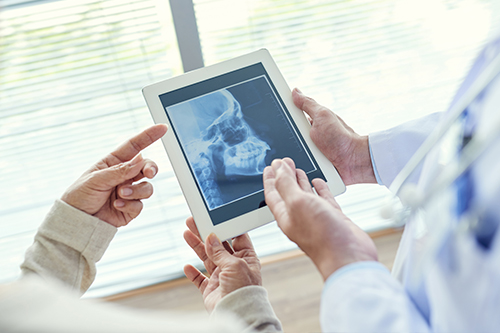
The first visit is an opportunity to discuss your reasons for seeking alignment: esthetic preferences, functional concerns, or both. Your clinician will perform a comprehensive oral exam and review dental history to determine whether clear aligner therapy aligns with your needs.
During this appointment, images and scans document current conditions, and the provider will explain potential approaches and any complementary treatments that could support the desired outcome. Clear, realistic goal-setting helps establish expectations for timing and final alignment.
Patients leave the consultation with a clear understanding of the recommended next steps, including what the scanning process involves and how the practice will monitor progress throughout care.
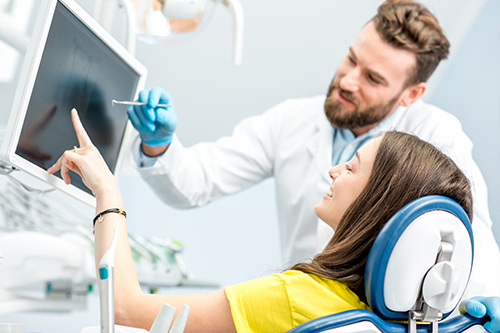
A fast digital scan captures the shape and position of your teeth, producing a 3-D model that serves as the blueprint for aligner fabrication. This digital approach reduces discomfort and provides more predictable data than traditional impressions.
Using the scan, clinicians can often show a projected progression of treatment, allowing patients to preview potential changes before the first aligner is produced. This preview supports informed decision-making and helps set measurable expectations.
Digital records also improve communication between the practice and the laboratory or manufacturing partner, ensuring the manufactured aligners closely match the treatment plan developed by your provider.
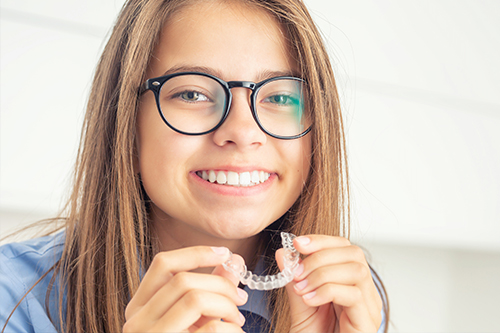
Aligners are created from smooth, medical-grade materials shaped to the contours of individual teeth. Their low-profile design minimizes irritation to lips and cheeks, and many patients find them more comfortable than conventional braces.
Occasionally, minor refinements such as attachments or minor interproximal reductions help fine-tune movements. These adjuncts are used selectively and discussed with the patient in advance so the purpose and expected effects are clear.
Periodic reviews confirm that aligners continue to fit as planned and allow the clinician to address any concerns about comfort or fit early in the process.

From the moment treatment starts, patients receive guidance on wear time, aligner care, and oral hygiene. Simple habits (like rinsing trays and brushing after meals) help maintain both oral health and appliance effectiveness.
As active alignment concludes, the focus shifts to retention: using retainers to keep teeth in their new positions. Your provider will recommend a retention schedule suited to your case and lifestyle to preserve long-term results.
Continuity of care, including follow-up visits and periodic evaluations, supports a stable outcome and helps address any minor changes early on.
Explore patient-focused and instructional videos that illustrate how aligner treatment works in everyday life
*Invisalign® is a registered trademark of Align Technology, Inc.
At Belle Smile, our goal is to provide patients with straightforward information so they can make well-informed decisions about orthodontic care. If you would like to learn more about how clear aligner therapy might fit your needs, please contact us for additional information or to schedule a consultation. We welcome your questions and are happy to walk you through the process step by step.

There are many options for patients who want to avoid metal braces! The most popular alternative orthodontic treatment is Invisalign®, which are clear plastic aligners designed to straighten teeth. After an examination of your teeth, your dentist will determine which option is best suited to your wants and needs.
According to the Invisalign® website, the cost for treatment is approximately the same as the cost for metal braces. A portion of this cost may be covered by your insurance. Please call us to set up a consultation and discuss potential payment plan options.
The first step is to schedule a consultation with your doctor, so they can devise a treatment plan that is best suited to your individual dental needs. Once approved, you will receive your first set of aligners. Your doctor will then regularly monitor the movement of your teeth and new aligners will be ordered according to the progress made in your treatment plan.
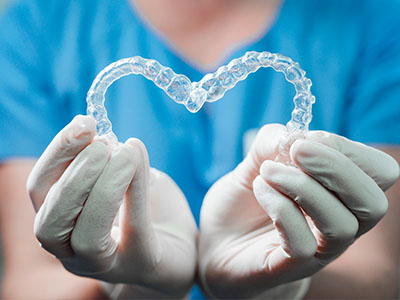
Invisalign® aligners are made of clear, flexible plastic. The company received a patent for this material – SmartTrack® – to be used exclusively for Invisalign treatment purposes. These aligners are FDA approved and nearly invisible!
Your doctor will give you an estimate regarding how long your Invisalign® treatment should take, which will depend on your specific needs. The average length of time for treatment is approximately 12-18 months. However, some patients may see results far sooner. Remember to wear your aligners exactly as instructed by your doctor to obtain the best results.
Your doctor will most likely recommend that you wear retainers following your Invisalign® treatment. This is a precaution that will prevent your teeth from shifting back to their original positioning. It is important to follow your doctor's instructions exactly to ensure long-lasting results.
You must wear your aligners for up to 22 hours daily. You may remove them for eating, drinking and regular oral hygiene.
No. Unlike braces, you may eat whatever you like as long as you remove the aligners before eating. Prior to placing the aligners back on, it is important to brush your teeth and the aligners after you eat.
Like any orthodontic treatment, there is a short adjustment period. The more you speak with the aligners on, the quicker you will adjust.
There will be some pressure and minor discomfort for a day or two after each initial insertion. This is a sign that your teeth are moving sequentially into their final position.
It is recommended that you remove your aligners prior to chewing gum as the gum will stick to the aligners.
We discourage smoking with aligners as the cigarette smoke will tend to discolor them.
Brushing them with toothpaste will keep them fresh and clean.
Regular office visits are every five to six weeks. This will ensure that your Invisalign treatment is progressing as planned.
All orthodontic patients are instructed to wear their retainers at night indefinitely. Sleeping with your retainers in at night will ensure a healthy bite and maintain the new position of your teeth.
Yes, if their teeth, including second molars, have grown in completely.
Invisalign is a clear aligner system that gradually moves teeth using a series of custom-made, removable trays. Each tray is fabricated from a digital model and is designed to apply gentle, controlled forces to specific teeth for small, planned movements. Patients typically wear each set for the prescribed interval before advancing to the next tray in the sequence.
Treatment begins with a comprehensive evaluation and a digital scan to capture the current tooth positions and bite. Clinicians use specialized software to map the sequence of movements and to predict milestones throughout treatment. Regular monitoring allows adjustments to the plan so the final alignment meets the established goals.
Clear aligners are suitable for many adults and teens who have mild to moderate crowding, spacing, or certain bite irregularities. Ideal candidates have good oral health and a commitment to wearing the aligners consistently, as patient cooperation is essential for predictable results. A clinician must evaluate each case to determine whether aligners can meet both esthetic and functional treatment goals.
Some complex skeletal or severe bite discrepancies may require alternative or adjunctive treatments, and those possibilities are discussed during the initial consultation. The evaluation includes clinical examination, imaging as needed, and review of dental history to identify factors that could influence treatment. If aligner therapy is not the best option, your provider will explain other evidence-based approaches.
Treatment duration varies with the complexity of the case, patient age, and adherence to prescribed wear time. Many straightforward cases are completed within several months, while more complex movements can take a year or longer to achieve. The clinician provides an estimated timeline during planning based on the projected number of aligner stages and anticipated refinements.
Factors that can extend treatment time include missing appointments, inconsistent wear, and the need for additional procedures such as attachments or limited interproximal reduction. Periodic refinements are common and help fine-tune results once the initial series is complete. Clear communication about expectations and follow-up helps keep the plan on track and reduces surprises.
Proper aligner care and good oral hygiene are essential to treatment success and overall oral health. Remove aligners for eating and drinking anything other than water, then brush and floss before reinserting them to prevent staining and bacterial buildup. Clean aligners daily by rinsing them and gently brushing with a soft toothbrush and lukewarm water; avoid hot water that can deform the plastic.
Store aligners in their protective case whenever they are out of the mouth to reduce loss and contamination. Attend regular dental cleanings and checkups so your clinician can monitor both tooth movement and oral health. If you notice persistent odor, cloudiness, or poor fit, contact your provider for guidance rather than trying household cleaners that can damage the trays.
Attachments are small, tooth-colored composite shapes bonded to selected teeth to improve the aligner’s grip and control on specific movements. They act as handles that help the aligner apply forces more precisely for rotations, extrusions, or other targeted corrections. Attachments are planned during the digital treatment design and are placed in the office using minimally invasive techniques.
Not every case requires attachments, but when they are indicated they significantly increase the predictability of complex movements. Attachments are removed or smoothed at the end of active treatment, and their application is typically discussed during the planning visit. The clinician will explain their purpose and expected effects so patients understand their role in achieving the final result.
High-resolution intraoral scanning creates an accurate 3-D model of the teeth and soft tissues that forms the blueprint for aligner fabrication. Treatment planning software uses that digital model to simulate staged movements, anticipate needed auxiliaries, and present a projected outcome that can be reviewed and adjusted before manufacturing begins. This digital workflow reduces variability associated with traditional impressions and supports more precise communication between clinician and laboratory.
At Belle Smile our team integrates digital scans with clinical expertise to tailor plans to each patient’s goals and anatomy. The scanned data also enables monitoring comparisons during treatment so deviations from the plan can be identified early and refinements requested. Overall, digital planning enhances transparency and helps both patient and provider visualize the path to the intended result.
Routine monitoring appointments allow the clinician to confirm that aligners fit correctly and that tooth movement is tracking as planned. During these visits the provider inspects attachments, checks contacts, and evaluates oral health, making note of any need for refinements or adjustments. These check-ins are also opportunities to answer questions about wear, care, and lifestyle considerations during treatment.
Visit frequency is typically determined by the individualized treatment plan but often occurs every four to eight weeks while active movement is occurring. If movement lags or certain teeth are not responding as expected, the clinician may request additional scans, order refinement trays, or adjust the timeline. Staying on schedule with monitoring appointments helps maintain momentum and reduces the likelihood of unexpected delays.
After the active phase of aligner therapy concludes, a retention phase stabilizes tooth positions to protect the achieved alignment. Retention may involve removable retainers, fixed bonded retainers, or a combination tailored to the case and the patient’s habits. The clinician provides a retention schedule and instructions for nightly or agreed-upon wear to minimize relapse over time.
Long-term retention prevents gradual shifting that can occur throughout life, especially after orthodontic treatment, and follow-up visits allow the provider to assess retainer fit and oral health. If minor changes occur, the practice can recommend targeted measures to correct them early. Adhering to the prescribed retention plan is the single most important step for preserving the investment of time and effort in alignment.
Many patients notice a short period of adjustment when they first begin wearing aligners, which can cause mild, temporary changes in speech such as slight lisps. These effects typically resolve within days as the tongue and lips adapt to the trays, and practicing reading aloud can speed the adjustment. Soreness or pressure during the initial days after switching to a new tray is common and usually subsides as teeth begin to move.
Aligners are designed with low-profile, smooth edges to minimize irritation to the cheeks and lips, and most people find them more comfortable than traditional brackets and wires. If persistent discomfort, sharp edges, or speech problems continue beyond the expected adaptation period, contact your provider so they can examine fit and make any necessary adjustments. Early communication about fit and comfort helps maintain compliance and supports a smooth treatment experience.
To begin, schedule an initial consultation so the clinician can perform a comprehensive exam, review your dental history, and discuss your esthetic and functional goals. During that visit a digital scan is often taken to document current conditions and to allow preliminary treatment visualization. The provider will explain the proposed plan, outline the expected stages of care, and describe any adjunctive procedures that might enhance the outcome.
If you decide to proceed, the practice will confirm a timeline for aligner fabrication and set expectations for wear, monitoring visits, and retention planning. Bring any relevant dental records or questions to the consultation so the team can provide clear, personalized guidance. The goal of the process is to create a collaborative plan that aligns clinical possibilities with your priorities for a healthier, more confident smile.
Quick Links
Contact Us
