50 Bellefontaine Street, Suite 102, Pasadena, CA 91105


Deciding to remove a tooth is never taken lightly. In modern dentistry, preservation of natural teeth is the preferred route whenever possible, but there are clear clinical situations where extraction protects your long-term oral health. This section explains the practical reasons an extraction may be the safest, most predictable option for a comfortable, functional smile.
Our team approaches every recommendation with the goal of preserving form and function. When a tooth is beyond restoration, seriously infected, or interfering with overall dental development, removing it can prevent further harm to adjacent teeth, the jawbone, and your general well-being. Extraction can be a proactive step that simplifies future care and reduces the risk of more complex problems.
We also consider each patient’s broader health picture. Medical history, current medications, and even planned future dental work (such as orthodontics or implant placement) influence whether extraction is advised. Careful assessment helps ensure the decision supports both immediate needs and longer-term treatment goals.
Primary (baby) teeth that do not fall out on schedule or are severely compromised
Sometimes a baby tooth remains firmly attached and prevents the permanent tooth beneath it from erupting properly. When that happens, extraction can allow normal permanent tooth development and help avoid crowding or misalignment later on.
Permanently damaged teeth with extensive decay or structural loss
When decay has destroyed most of a tooth’s supporting structure or an infection has damaged the nerve and surrounding bone, restorative options may no longer be viable. In those cases, extraction removes the source of infection and protects neighboring teeth.
Teeth that have fractured in ways that cannot be repaired
Cracks that extend below the gum line or significant breaks into the root can make a tooth unsalvageable. Extraction is sometimes the most predictable way to eliminate pain and prevent recurrent problems from a compromised tooth.
Advanced periodontal disease with loss of supporting bone
Severe gum disease weakens the tissues and bone that hold teeth in place. When attachment loss reaches a point where a tooth is loose or causing ongoing infection, removal may be necessary to restore oral health and protect adjacent teeth.
Impacted or problematic wisdom teeth
Third molars commonly lack space to erupt properly, which can cause pain, infection, or damage to neighboring teeth. When a wisdom tooth is likely to cause trouble or is already symptomatic, extraction is often the recommended course.
Extractions as part of orthodontic planning
In some orthodontic cases, removing one or more teeth provides the space needed to align the remaining teeth and achieve a stable, functional bite. Extractions for orthodontics are planned carefully to support long-term esthetics and function.

Knowing the sequence of care can ease anxiety and help you prepare. Your visit begins with a thorough review of your medical and dental history and a focused clinical exam. We use digital radiographs when indicated to evaluate root anatomy, bone levels, and the relationship of the tooth to nearby structures so we can plan the procedure precisely.
Local anesthesia is used to numb the tooth and surrounding tissues so the procedure is comfortable. For patients with higher anxiety or more extensive procedures, we can discuss options for sedation to help you remain calm and relaxed. Any special medical considerations (including medications or conditions that affect bleeding or healing) are addressed before treatment begins.
Extraction techniques are chosen to match the clinical situation. When possible, we perform a straightforward removal that requires minimal intervention. In other cases, a surgical approach is necessary to access a tooth that is broken off at the gum line, ankylosed, or impacted. Regardless of technique, the goal is a controlled, gentle procedure that minimizes trauma and supports optimal healing.
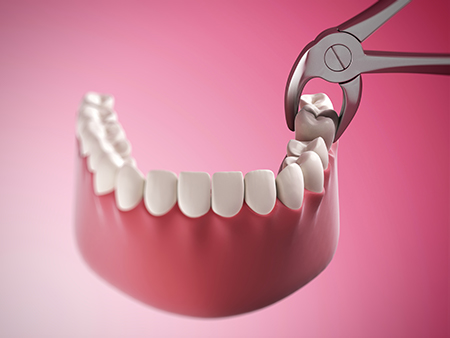
A simple extraction applies when the entire tooth is visible in the mouth and root anatomy is predictable. After effective numbing, the tooth is eased free from the surrounding attachment fibers and removed with dental instruments. This type of procedure is typically quick and allows for direct placement of gauze and immediate post-op instructions to control bleeding and support healing.
Surgical extractions are used for teeth that are impacted, fractured at the gum line, or fused to bone. The clinician makes a small incision in the gum and, if needed, removes a small amount of bone to access the tooth. The tooth may be sectioned into pieces for safer removal. Surgical approaches are performed with the same attention to comfort and sterility as other procedures, and appropriate follow-up care is provided.
Recovery varies with the complexity of the extraction, but there are universal principles that help the area heal predictably. After the procedure, we provide clear, written instructions tailored to your case. These address managing bleeding, controlling discomfort, limiting certain activities, and protecting the forming blood clot, a critical component of normal healing.
Rest, soft foods, and attention to oral hygiene are central to a smooth recovery. Many patients find that over-the-counter non-aspirin pain relievers, taken as directed, are sufficient for simple extractions. For more complex procedures, short courses of prescription medication may be provided; always follow dosing instructions and complete any prescribed antibiotics as directed.
Watch for signs that require prompt attention, such as prolonged heavy bleeding, increasing pain after initial improvement, fever, or an unusual taste or odor in the mouth. If you notice these symptoms, contact our team so we can evaluate your healing and intervene if necessary.
Keep gentle pressure on the site
Your clinician will place gauze to help the extraction site form a clot. Maintain gentle but steady pressure for the amount of time advised. If bleeding continues, fresh gauze may be applied and firm pressure maintained until it lessens.
Protect numb tissues
Avoid chewing, touching, or biting the lip, cheek, or tongue while the local anesthesia is active. Numb tissues are easily injured without immediate awareness.
Follow medication guidance
Antibiotics:
If prescribed, take the full course exactly as directed to reduce the risk of infection.
Pain management:
Take pain medication as instructed. For many patients, taking an analgesic before numbness fully wears off reduces peak discomfort. Use prescription medications only as directed.
Avoid actions that dislodge the clot
Do not rinse forcefully, spit, use straws, or smoke for several days. These actions can dislodge the clot and delay healing.
Manage swelling with ice
Applying an ice pack to the outside of the face near the extraction site for short intervals during the first 24 hours helps reduce swelling and discomfort.
Refrain from tobacco
Smoking impairs clot formation and slows the healing process. Avoid all tobacco products for at least a week to support recovery.
Choose gentle foods
Stick to soft, cool or lukewarm foods for the first couple of days. Avoid hot, spicy, and carbonated items that can irritate the area.
Maintain careful oral hygiene
Brush your other teeth as usual but be gentle near the extraction site. After 24 to 48 hours, rinsing with a mild saltwater solution can help keep the area clean without dislodging the clot.
Keep follow-up appointments
If sutures were used or additional monitoring is needed, attend the scheduled follow-up visit so we can confirm healing and plan any necessary next steps.
If you experience persistent bleeding, increasing pain, swelling that worsens after 48 hours, or any other concerning symptoms, contact our office so we can assess your recovery and provide timely care.

When extraction is the recommended path, you want a team that combines clinical experience with a patient-centered approach. Our clinicians prioritize gentle technique, clear communication, and individualized planning so each procedure is as predictable and comfortable as possible. We coordinate with other dental specialists when necessary to ensure continuity of care.
We use modern diagnostic tools and follow accepted standards for infection control, anesthesia, and postoperative monitoring. Whether the extraction is straightforward or requires a surgical approach, the focus remains the same: minimize risk, protect adjacent structures, and set the stage for optimal healing and future restorative options.
To learn more about what to expect and how we plan care in your specific situation, please contact us for additional information. Our team is available to discuss your options and help you make an informed decision about treatment.
The most common reasons for tooth loss include advanced periodontal disease, extensive tooth decay, and facial trauma. According to statistics, gum disease is responsible for close to 70% of tooth loss in adults. Although less frequent than the preceding three reasons, it should also be noted that specific diseases, drugs, smoking, and poor nutrition contribute to the risk of tooth loss.
The Centers for Disease Control and Prevention report that in the United States, an average of 12 teeth (including the wisdom teeth) are lost by the age of 50. Also, 26% of adults between 65 and 74 years of age have lost all their teeth.
Every patient and every situation is different. However, when a tooth and the surrounding tissues are numbed with a local anesthetic, you should only expect to feel a bit of pressure, but no pain as the tooth is being loosened from the surrounding tissues and extracted. For patients who are apprehensive and for some surgical extractions, our office will discuss our options in dental sedation to provide further relaxation and reduce any sense of discomfort.
While it's normal to feel some tenderness and swelling following an extraction, the degree of these sensations can vary. It mostly depends on the complexity of the extraction and the body's response to the procedure. We'll recommend or prescribe the appropriate pain medication to help ensure your comfort and give you specific instructions for maximum effectiveness and safety.
Typically, the recovery period following a simple extraction is shorter than a surgical extraction. However, a patient's overall health, habits, the size and location of the tooth, and other variables can influence recovery and healing. To speed up the recovery and avoid any complications, patients must follow the given at-home instructions diligently. We'll carefully review what to expect following your procedure and go over your post-op instructions.
Smoking interferes with blood clot formation, which is an essential first step in the healing process. Blood clot formation not only provides a protective layer to cover the underlying exposed bone and nerve endings, but it also supports the growth of new tissue. Cigarette smoke also contains chemical toxins that can disrupt the healing process and lead to problems such as continued inflammation, infection, or dry socket.
In a very small percentage of cases, a condition known as dry socket can develop in the aftermath of a dental extraction. This painful condition can arise when the blood clot in the extraction site doesn't form properly or gets dislodged. With dry socket, you may experience throbbing pain and symptoms such as bad breath and an unpleasant taste in your mouth. As skilled providers of care, our office will provide immediate treatment to alleviate your discomfort and promote healing.
The last teeth in your mouth to develop, wisdom teeth often do not have enough room to fully erupt or may be positioned in the wrong direction. These issues can affect your dental health as well as overall wellbeing. While some individuals never develop all their wisdom teeth, and a few have sufficient space for them, there are many people with partially or fully impacted third molars. Our office will monitor the development, position, and health of your wisdom teeth and will advise you if and when extractions are indicated.
After a tooth is removed, bone-grafting material is sometimes placed in the socket to promote healing and encourage new bone development. This procedure is often performed to support the eventual and successful placement of a dental implant.
At the office of Belle Smile, we strive to make dental care affordable and accessible. Depending on the type or complexity of the extraction and other variables, the cost of the procedure can vary. Based on our diagnostic findings, our office will inform you of the healthiest choices in care, explain the fees, discuss insurance coverage, and explain your payment options.
Many dental plans offer some level of coverage for tooth extractions. We'll advise you if your plan covers the full cost of the procedure and if there is any out-of-pocket expense. Our business office will work with you to maximize your insurance benefits as much as possible while helping you minimize any out-of-pocket expenses.
Modern dentistry prioritizes saving natural teeth, but extraction becomes necessary when a tooth is nonrestorable, severely infected, or posing a risk to surrounding structures. Common reasons for removal include extensive decay that destroys the tooth's supporting structure, fractures that extend below the gum line, advanced periodontal disease with significant bone loss, and impacted third molars that threaten adjacent teeth. Your clinician will use a clinical exam and diagnostic imaging to determine whether extraction is the most predictable choice for long-term oral health.
We also factor in broader treatment goals and medical history when recommending extraction. Removing a tooth can be a proactive step to protect neighboring teeth, simplify future restorative care, or allow orthodontic movement. A careful, individualized assessment ensures the decision supports both immediate needs and planned future treatments.
Preparation begins with a review of your medical history, medications, and any diagnostic images so the team can plan the safest approach. If sedation is being considered, you may receive specific instructions about fasting and transportation, so arrange for a responsible adult to drive you home. Clear communication about allergies, prior surgical experiences, and current health concerns helps the clinician select appropriate anesthesia and comfort measures.
Bring a list of medications and recent health updates to your appointment and follow any preoperative directions provided by the office. Do not stop or change prescription medications without explicit guidance from your physician and our clinical team, as adjustments sometimes require medical supervision. If you smoke, plan to avoid tobacco around the time of the procedure to support healing and lower complication risk.
Your visit typically begins with a focused examination and review of radiographs to evaluate root anatomy, bone levels, and the tooth's relationship to nearby structures. The clinician will discuss anesthesia and sedation options, confirm the treatment plan, and answer questions before obtaining informed consent. Special medical considerations, such as bleeding disorders or medication interactions, are addressed prior to treatment to ensure safety.
During the procedure, local anesthesia is administered to numb the tooth and surrounding tissues so you feel little to no pain, only pressure. The tooth is then eased free from its attachments and removed with appropriate instruments; if needed, sutures may be placed and a sterile gauze pack applied. You will receive clear post-operative instructions and the team will monitor you briefly before discharge, especially if sedation was used.
A simple extraction is performed when the tooth is fully visible in the mouth and root anatomy is predictable; after effective numbing, the tooth is loosened and removed with dental instruments. These procedures are typically quick and straightforward with direct placement of gauze and immediate post-op guidance to control bleeding and support healing. Simple extractions usually have a shorter recovery time when compared with surgical removals.
Surgical extractions are necessary when a tooth is impacted, fractured at the gum line, or ankylosed to the bone, and they require an incision in the gum and sometimes removal of a small amount of bone to access the tooth. The tooth may be sectioned into pieces for safer removal, and sutures are commonly placed to support soft tissue healing. Surgical cases can have a slightly longer recovery and may require additional follow-up to monitor healing and comfort.
Local anesthesia reliably numbs the tooth and surrounding tissues so most patients experience little to no pain during the procedure, sensing pressure rather than sharp pain. For patients with higher anxiety or for more complex surgical extractions, the clinician can discuss additional comfort options such as nitrous oxide, oral sedation, or intravenous sedation to help you remain calm. The team will review the risks and benefits of each approach and select the option that best matches the clinical needs and your comfort level.
After the procedure, some soreness and swelling are normal and typically manageable with over-the-counter analgesics or prescribed medications when indicated. Following the provided pain management plan, using ice as advised, and resting during the first 24 to 48 hours helps minimize discomfort. If pain increases after initial improvement or becomes severe, contact the office promptly so the team can evaluate and address any complication.
In the first 24 hours you can expect mild bleeding that subsides as a stable blood clot forms, along with some swelling that typically peaks within the first two to three days. Rest, soft foods, and limiting strenuous activity during this period support predictable healing, and keeping your head elevated can reduce postoperative bleeding and swelling. Protecting the forming clot is important, so avoid actions that might dislodge it such as forceful rinsing, spitting, or using a straw.
Maintain careful oral hygiene by brushing other teeth normally and gently cleaning near the extraction site without disturbing the clot; after 24 to 48 hours, gentle saltwater rinses can help keep the area clean. Take medications exactly as directed and complete any prescribed antibiotics. If you notice prolonged heavy bleeding, increasing pain after an initial period of improvement, fever, or a foul taste or odor, contact the office for prompt assessment.
To lower the risk of dry socket, follow post-op instructions carefully: keep steady pressure with gauze as directed, avoid smoking and tobacco products, do not use straws, and refrain from forceful rinsing or spitting for several days. These precautions help protect the blood clot that is essential for normal healing. Good nutrition, rest, and avoiding vigorous physical activity during the early recovery phase also support uncomplicated healing.
If your clinician prescribes antibiotics or special mouth rinses, take them exactly as directed to reduce infection risk. Keep follow-up appointments so healing can be monitored and sutures removed if needed, and contact the office if you experience severe, persistent pain, a bad taste in the mouth, or worsening swelling. In cases of dry socket, the clinician can provide targeted care such as medicated dressings and pain control to promote recovery.
Yes. Missing teeth can be replaced using several options including dental implants, fixed bridges, and removable partial dentures, and the best choice depends on your oral health, bone volume, and restorative goals. Dental implants are often recommended when feasible because they replicate the function of a natural tooth root and help preserve surrounding bone. The timing of replacement varies; some cases allow for immediate provisional solutions while others require a healing period or bone grafting before a final restoration.
Ideally, planning for replacement begins before the extraction so the restorative team can coordinate the sequence of care and optimize long-term outcomes. Discussing prosthetic goals with your clinician in advance helps determine whether immediate, early, or delayed reconstruction is most appropriate. A coordinated approach ensures that extraction and replacement are managed to support both esthetics and function.
Many medical conditions can be managed safely during tooth extraction when the dental team has a complete understanding of your health status and current medications. Always provide a thorough, up-to-date medical history and a list of medications so the clinician can coordinate care with your physician when necessary. Specific precautions or modifications to the treatment plan may be required for conditions that affect bleeding, healing, or immune response.
Do not stop or alter prescription medications such as anticoagulants without explicit direction from the prescribing clinician and our team, since changes can carry risks. In some cases, extra precautions like adjusted suturing techniques, local hemostatic agents, or temporary medication strategies ordered in coordination with your physician will be used to control bleeding and support safe healing. The office will tailor the approach to your needs and monitor recovery closely.
Our clinicians combine clinical experience with modern diagnostic tools and a patient-centered approach to provide predictable, comfortable extractions. We emphasize gentle technique, clear communication, and individualized treatment plans that consider both immediate care and long-term restorative options. When necessary, we coordinate with specialists to ensure continuity of care for complex cases.
Patients receive clear preoperative instructions, concise post-op guidance, and timely follow-up to monitor healing and address concerns. The team focuses on minimizing risk, protecting adjacent structures, and preparing sites for future restoration when appropriate. If you have questions about your specific situation, contact the office to discuss how we would plan care for your needs.
Quick Links
Contact Us
